You totally know the email… “Mandatory fun activity, 3pm, cameras on!” And somewhere, across a dozen home offices, a dozen people quietly die just a little bit inside.
Forced team building has a slight reputation problem, and honestly, it’s earned it. You know, the trust falls, those two-hour escape rooms that nobody signed up for, that one icebreaker where you have to share “a fun fact nobody knows about you” while your entire team stares at your tiny webcam square. We’ve all been there, and most of us didn’t love it.
Let’s talk about why forced team building flops more often than not, what the research actually says about it, and how to build real team culture without making anyone want to fake a Wi-Fi outage. (You know you’ve thought about it.)
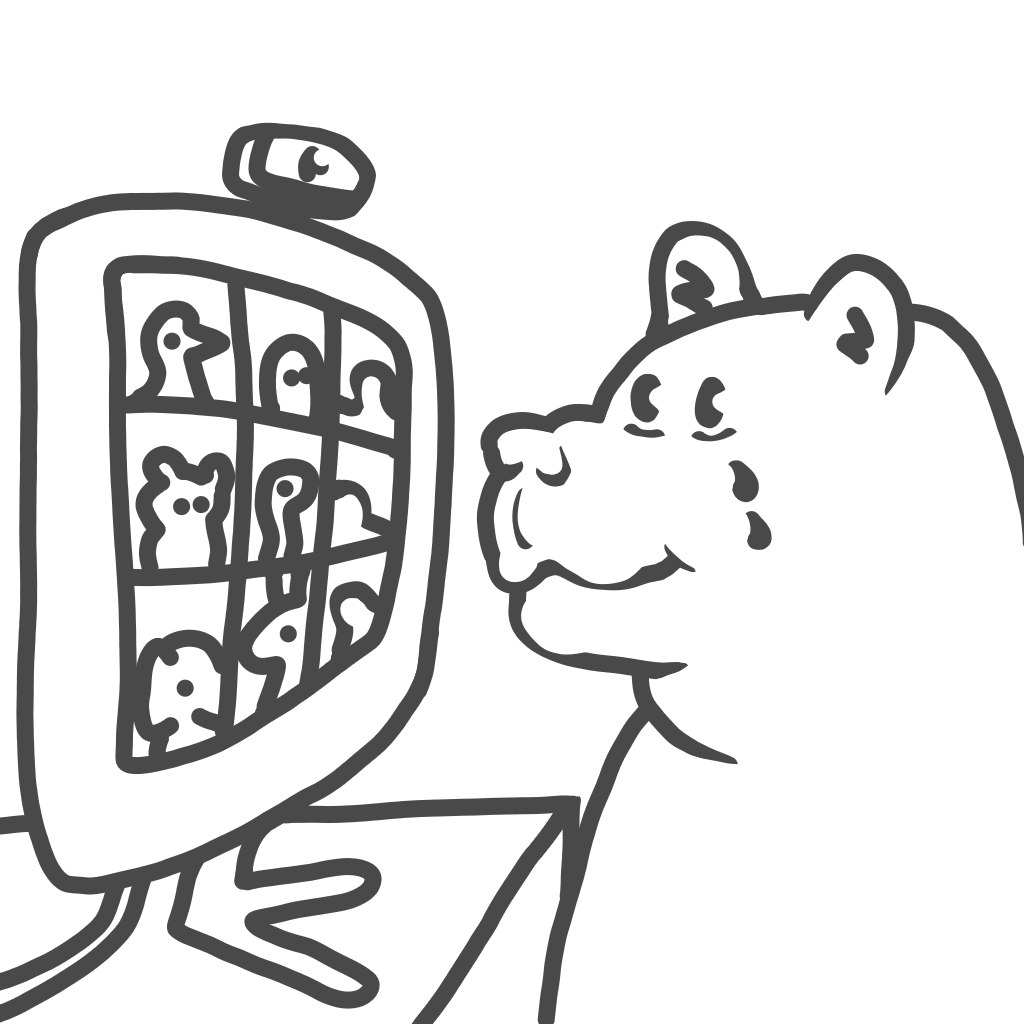
Why Forced Team Building Usually Backfires
Here’s the thing about fun… the second you make it mandatory, it kind of stops being fun. It becomes a task, a line item, something to survive rather than enjoy.
And employees notice. A Leadership IQ study covered by Forbes found that 48.5% of employees agree that traditional forced-fun team building activities, like icebreakers and office games, make them feel uncomfortable or inauthentic. That’s basically a coin flip. Ask a room of ten coworkers how they feel about your next scheduled bonding session, and you can expect about five of them to be completely dreading it.
It gets worse when there’s no way to opt out. Research summarized by Onsight found that workers are three to six times more likely to enjoy team building activities when they actually have the freedom to choose whether to join. Turns out consent matters, even for games.
So why do so many workplaces keep doing it anyway? A few reasons seem to come up again and again:
- It confuses volume for value. Loud, high-energy activities get noticed, so leaders assume that they’re working. But the quietest person in the room might be having the worst time and just doesn’t say so.
- It rewards the wrong traits. Being outgoing and quick on your feet helps you shine at a scavenger hunt, but it has absolutely nothing to do with whether you’re a great teammate.
- It ignores context. Nobody wants “mandatory fun” inserted into an already packed week. If people are stressed and overloaded, another calendar invite isn’t going to fix it.
- It’s a one-off. A single offsite or a single awkward icebreaker doesn’t build team culture. It’s just a momentary blip. Real team bonding needs consistency, not a once-a-year fire drill.
What Good Team Building Activities Actually Look Like
Now don’t get me wrong, none of this means that team building itself is the enemy. The problem isn’t the idea, it’s just the execution. Good team building activities tend to share a few traits that “forced fun” usually skips out on.
- They’re optional, not obligatory. People bond better when showing up feels like a choice, not an obligation that’s tied to their performance review.
- They’re short. Nobody wants to give up an hour of their day for icebreaker games for work that feels like a chore. Five minutes of genuine laughter beats sixty minutes of forced enthusiasm every time, hands down.
- They don’t punish introverts. The best workplace icebreakers let people participate at their own comfort level, whether that’s jumping in with both feet or just watching and reacting.
- They fit into the day, not around it. Bolting a big team bonding event onto an already exhausting week just adds more exhaustion. Activities that live inside of the tools that your team already uses tend to feel a lot less like a chore.
They’re consistent. One good session won’t fix team culture. A light, recurring habit will.
A Lighter Way to Build Team Culture
This is basically the whole idea behind 3-Minute Animal. Instead of a scheduled hour of forced enthusiasm, it’s a quick drawing game that runs right in Slack. The judge picks an animal, everyone gets three minutes to draw their best (or worst!) interpretation, and the group votes on a winner. No trust falls, no cameras… and best of all? No pressure to perform.
And it’s genuinely optional. Got a meeting when the game kicks off? No problem, catch the next round, or just scroll through the gallery afterward and react with an emoji or two. Nobody’s tracking who “participated enough” this quarter. That’s a big part of why it works. When you take away the obligation, people show up because they want to, not because they have to, and that’s when real employee engagement actually happens.
It’s also a nice antidote to the loud-wins-every-time problem. You don’t need to be the funniest person on the call to have a great 3-Minute Animal entry. Sometimes the worst drawing wins the most laughs, and that’s kind of the whole point.
The Bottom Line
Forced team building fails because it treats connection like a task to be completed rather than something that happens naturally when people feel comfortable. Ditch the mandatory tone, keep it short, let people opt in on their own terms, and do it often enough that it becomes part of your team culture instead of a dreaded one-off event.
If you’re ready to try something that your team will actually look forward to, add 3-Minute Animal to Slack and get a game going in about three minutes. It’s free to start, no credit card needed, and absolutely no trust falls required.